

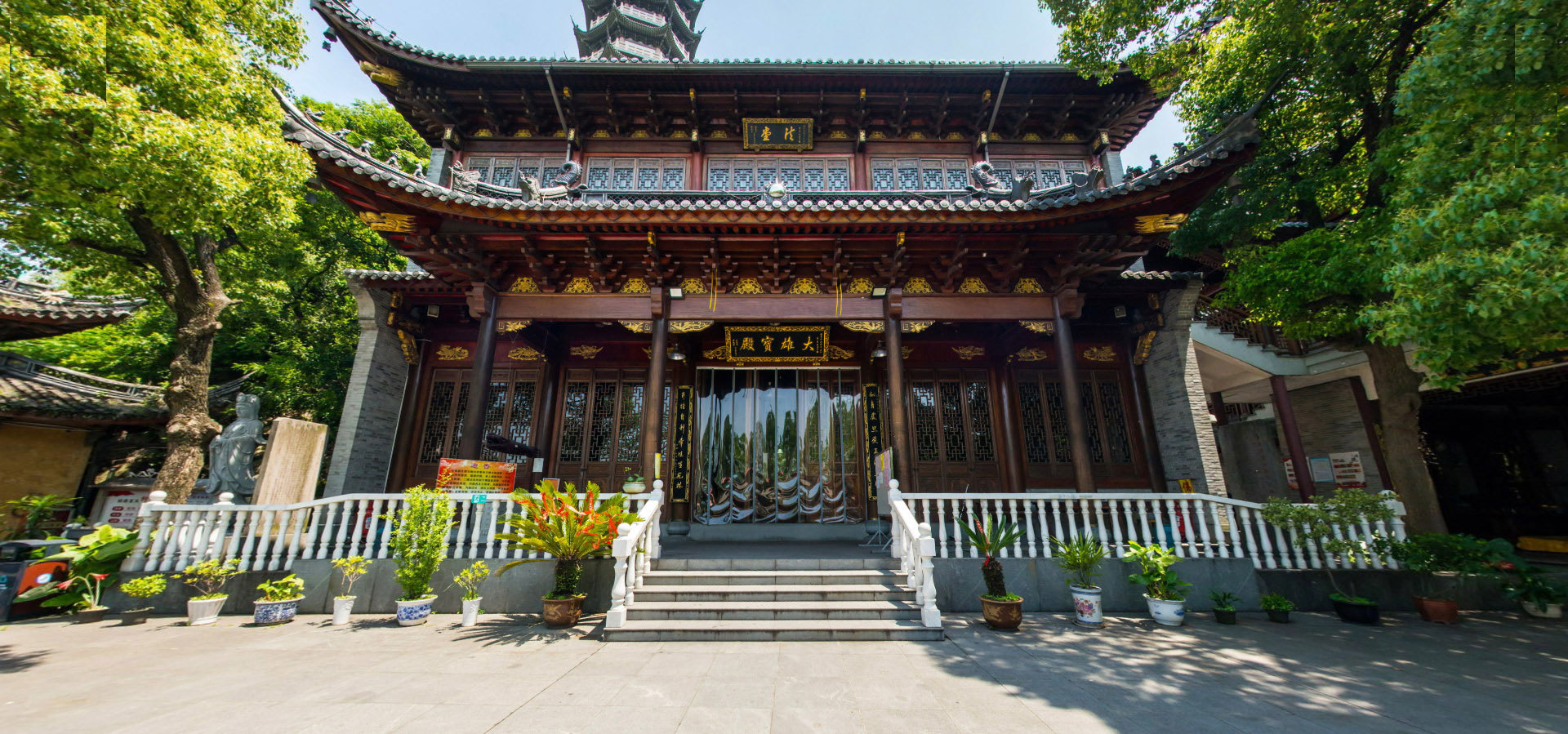
In the old days, it was one of the twelve scenic spots of Zhaobao Mountain. At sunset, the sky is full of rosy clouds, hence the name "sunset glow". The cabinet was built in the Ming Dynasty and was rebuilt in 1985. Three jacaranda Buddha Pavilion, which enshrines "Avalokiteshwan of Thousand Hands" and "Sending Son Avalokiteshwan". There is a pavilion, called a thousand Buddha pavilion, camphor wood carved, Buddha face gold, resplendent. There is a well outside the pavilion named Qingquan, the water is not dry. Looking back in the sunset, Guanyin Pavilion is shaded by pine bamboos, quiet and quaint, with a bright Buddhist temple, and a different view.
Guanyin Pavilion


Introduction of scenic spots
In the old days, it was one of the twelve scenic spots of Zhaobao Mountain. At sunset, the sky is full of rosy clouds, hence the name "sunset glow". The cabinet was built in the Ming Dynasty and was rebuilt in 1985. Three jacaranda Buddha Pavilion, which enshrines "Avalokiteshwan of Thousand Hands" and "Sending Son Avalokiteshwan". There is a pavilion, called a thousand Buddha pavilion, camphor wood carved, Buddha face gold, resplendent. There is a well outside the pavilion named Qingquan, the water is not dry. Looking back in the sunset, Guanyin Pavilion is shaded by pine bamboos, quiet and quaint, with a bright Buddhist temple, and a different view.
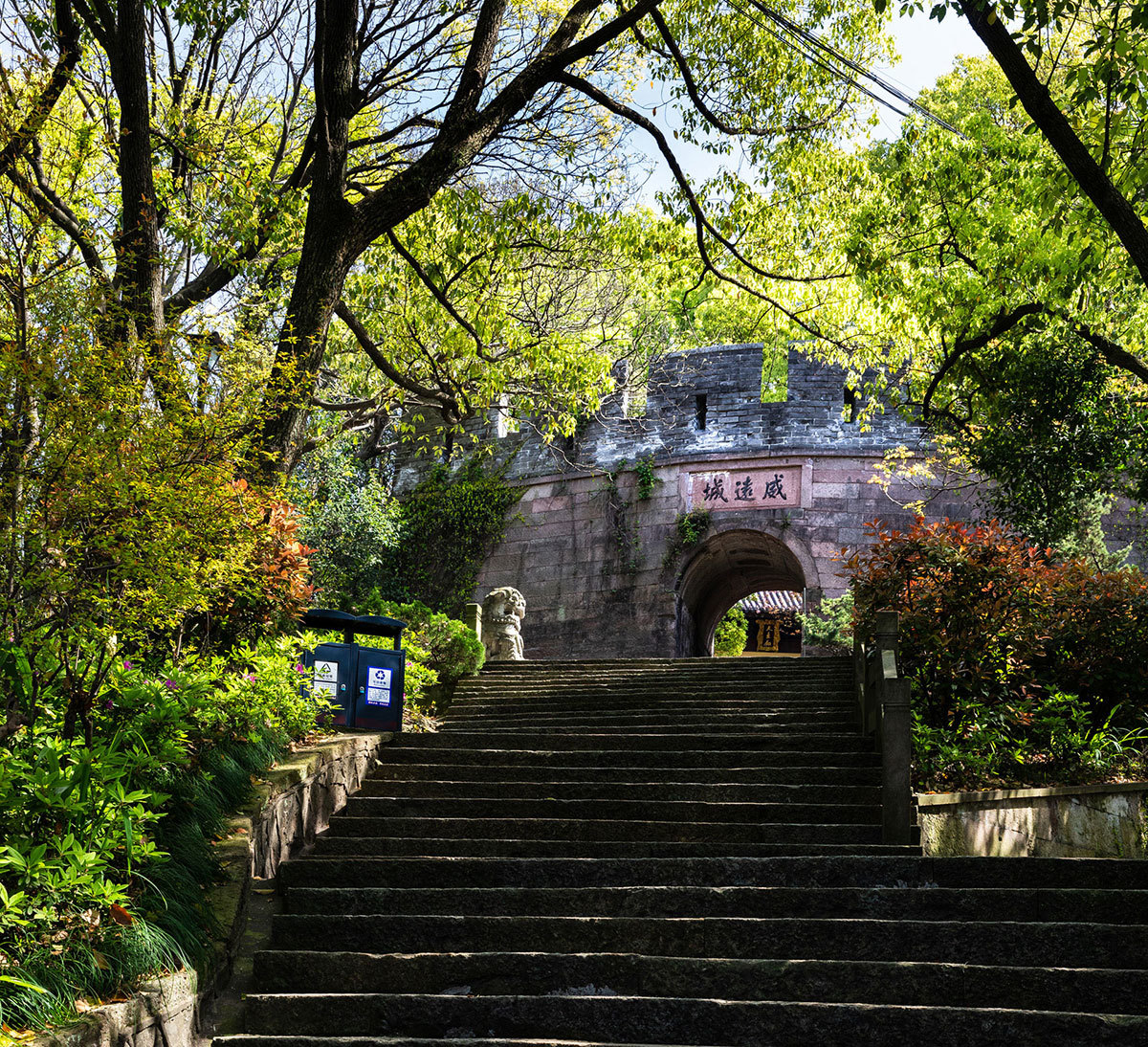
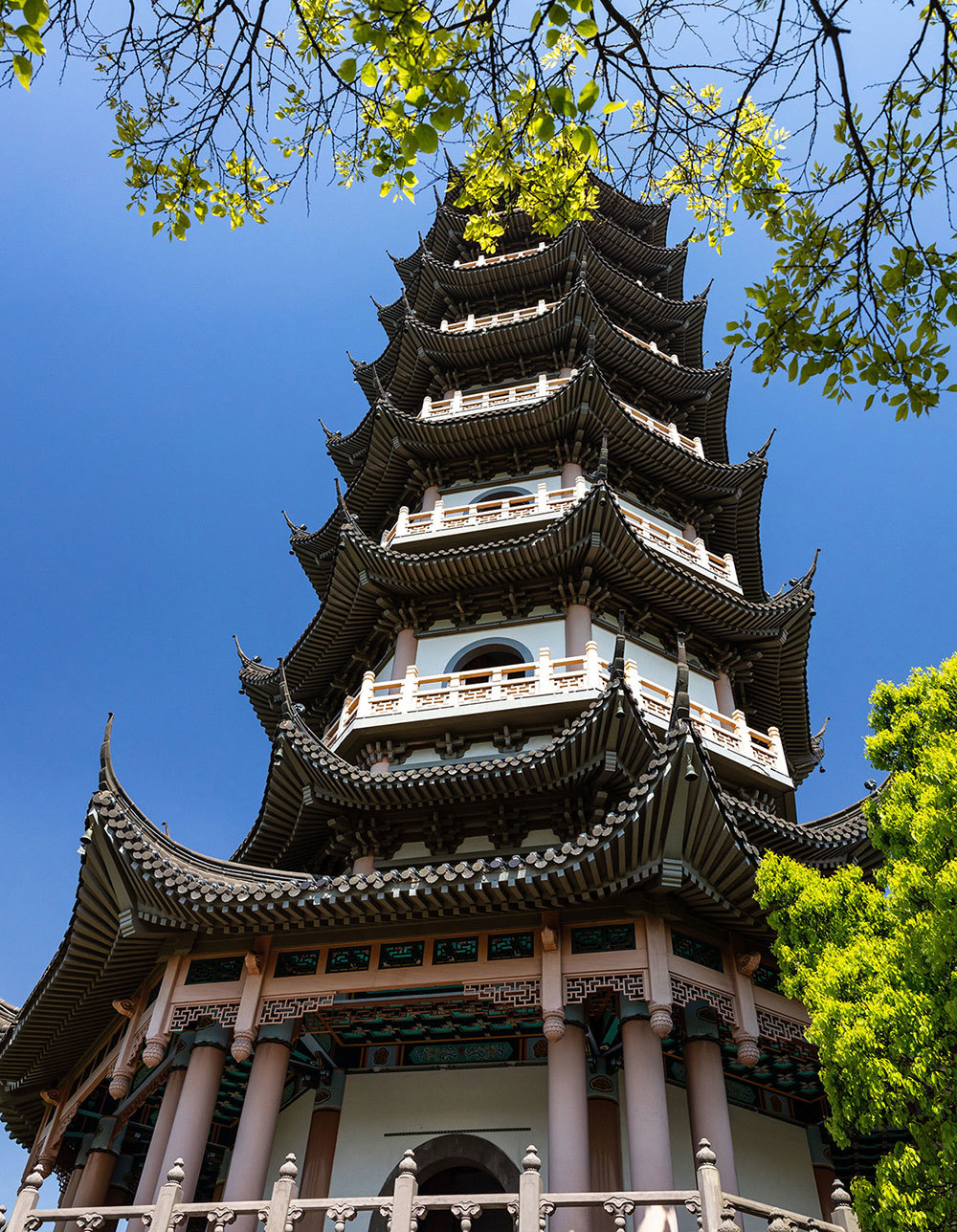
It is located in the northwest. The original sunset nunnery, in the mountains, the wind cover, evening is the best resort, so chant "sunset Xia Hui" is one of the twelve scenes of the mountain. The temple was built in the Ming Dynasty and later in the Qing Dynasty. Guanyin Pavilion was built in the early Republic of China, but it was destroyed in the Anti-Japanese War. Since 1985, more than 50 halls such as the original hall, Xiangguang Hall, Guanyin Pavilion Main Hall, Taishi Hall, Massive Building, Caiyun Building, Dazhai Hall, Deacon's House, and Squatter House have been rebuilt on the old site, forming a group of quite complete religious buildings. group. Guanyin Pavilion, leaning on the back of the Aojiang Pillar and inserting the Sky Tower, is a magnificent Sanskrit Palace, adding new luster to the Zhaobao Mountain Scenic Area. "Sunset Xia Hui" and "Reconstruction of Zhaobaoshan Guanyin Pavilion Stele", written by Yan Shuifu, a county native, Li Jiyan.
Key words:
The First Monument
Weiyuan City
Pillar tower
Guanyin Pavilion
Yuantong Palace
Oriental Treasure Bank
Forest of Steles in Ming and Qing Dynasties
Anyuan Battery
Chess Ping Ting
Ancient seawall
Wu Gong Ji Gong Monument Pavilion
Matsu Pavilion, Immortal Cave

©ZHAOBAOSHAN TOURIST SPOTS All Rights Reserved
